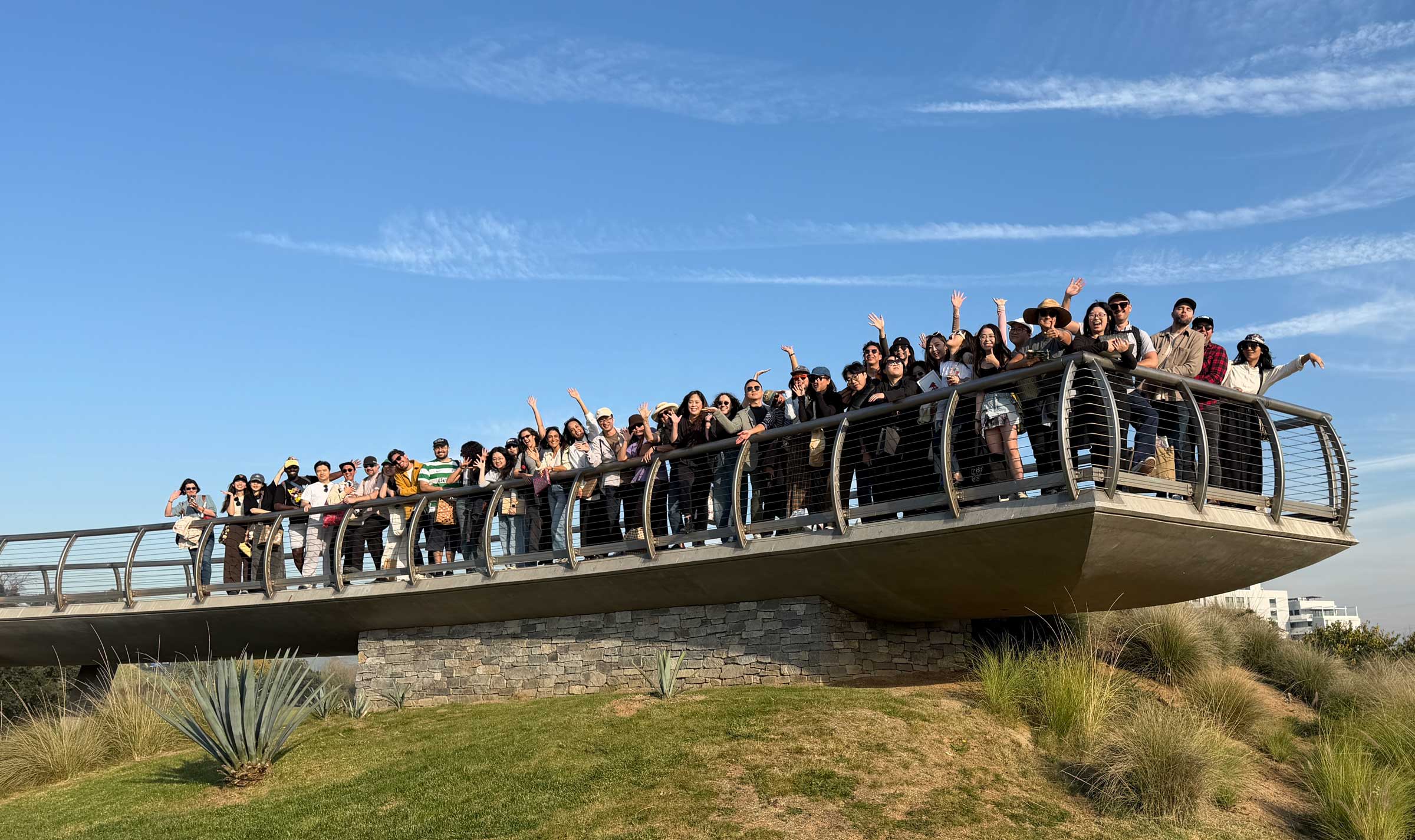
For centuries, those who hold the levers of power shaped the built environment. Marginalized communities often must covertly adjust their surroundings to meet their unique needs with limited institutional leverage or representation. LGBTQ+ architects and designers have always contributed to the profession, undoubtedly often inspired by their experiences. However, rarely in history have there been opportunities for queer designers to be outspokenly proud of how their identities influence their work.
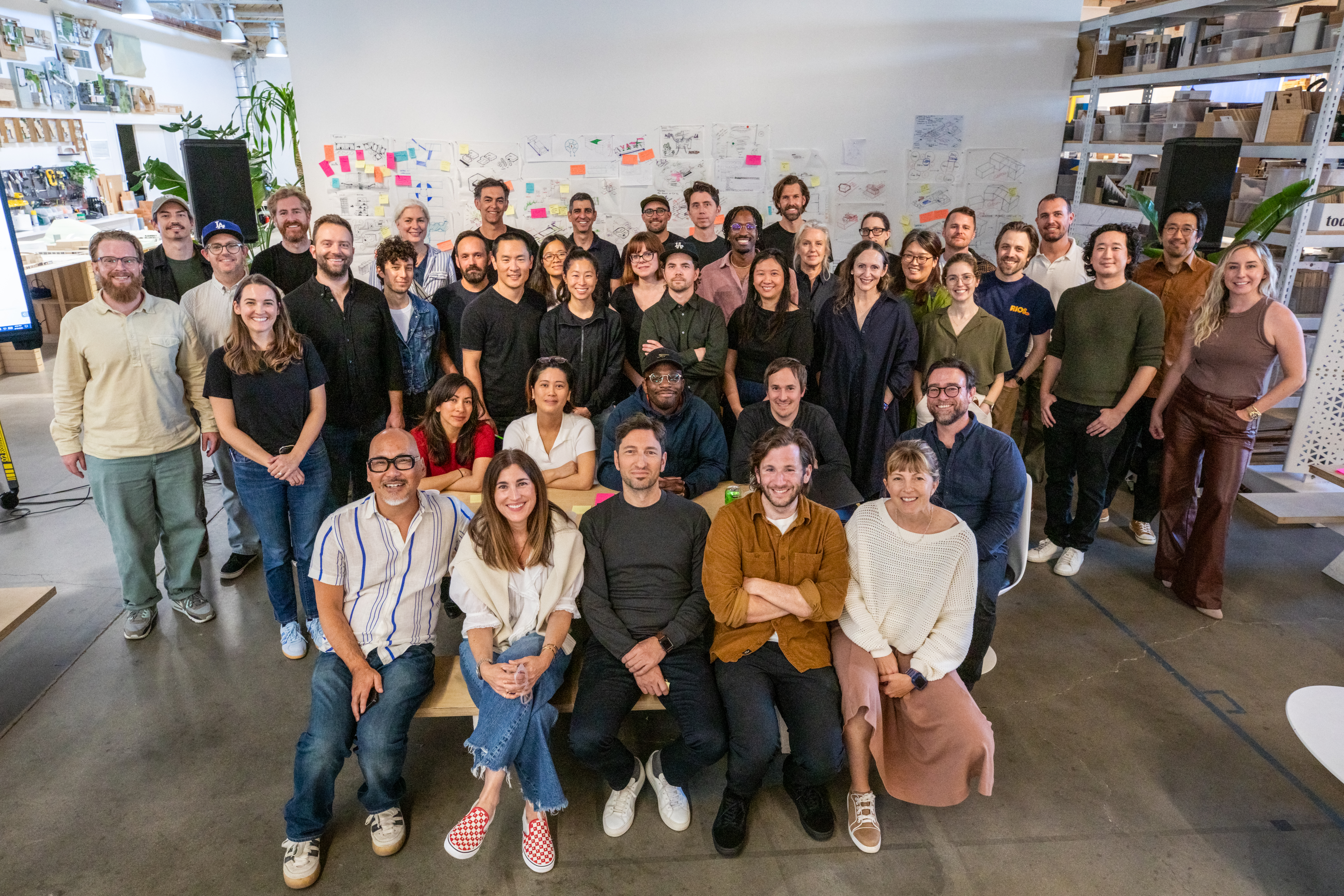
RIOS is an LGBTQ-owned business enterprise home to many LQBTQ+ employees. As queer designers, we have a unique responsibility and privilege to create spaces that better serve diverse communities. Our culture of celebrating diversity makes RIOS a better place to work and enables us to design more innovative and inclusive spaces.
“As a leader and an LGBTQ+ person of color, I feel a responsibility to support and empower our community to embrace diversity so we can thrive in the design profession. We’ve all experienced different barriers to equality and inclusion, which is why Pride is an important time to reflect on the hard won contributions of those who came before us and recommit ourselves to creating more opportunities for the generations that follow.”
—Mark Motonaga, RIOS Managing Partner
The RIOS team shares what Pride means to them and why designing for belonging matters.
Progress in LGBTQ+ Visibility
When RIOS was founded in 1985, the profession was still largely devoid of visible queerness. RIOS Partner Mark Rios recalls knowing very few out gay architects, including Paul Rudolph. “As a society, it’s taken forty years to get to where we are today. That’s actually a pretty fast evolution, if you think about the period and the bigger time frame.” About halfway through his career, Mark says, he felt that he could finally “be really proud about being with my husband or partner in a professional setting. Clients accepted us as equal and contributing members of society, and there was no fear about the preconceptions of what gay people might bring in any kind of way.” It was a long journey to get to this point, and for many designers today, that visibility remains just as important.
“I believe there is real power in being out in the workplace. You may be the only queer person someone interacts with on a daily basis, and simply being honest about your life and the way you see the world can give people a more personal understanding of experiences beyond their own. Being open in public and at work helps other queer people feel less alone. It helps people outside our community understand that queer lives are part of everyday civic, professional, and creative life.”
—John Pearson, RIOS Associate Principal
Places of Belonging for Queer Communities
Because LGBTQ+ people often form families and support systems outside traditional structures, their history is frequently passed down through chosen families and community networks. Over generations, music, art, dance, and shared gathering spaces have helped preserve cultural identity.
As social media and online communities become more prominent, many people are finding new ways to connect. However, the decline of physical queer spaces come at a cost. Public spaces create opportunities for mutual aid, unexpected connections, and direct support for LGBTQ+ people facing social and economic challenges. While digital communities can expand access and visibility, they cannot fully replace the role of shared physical space in building community and belonging.
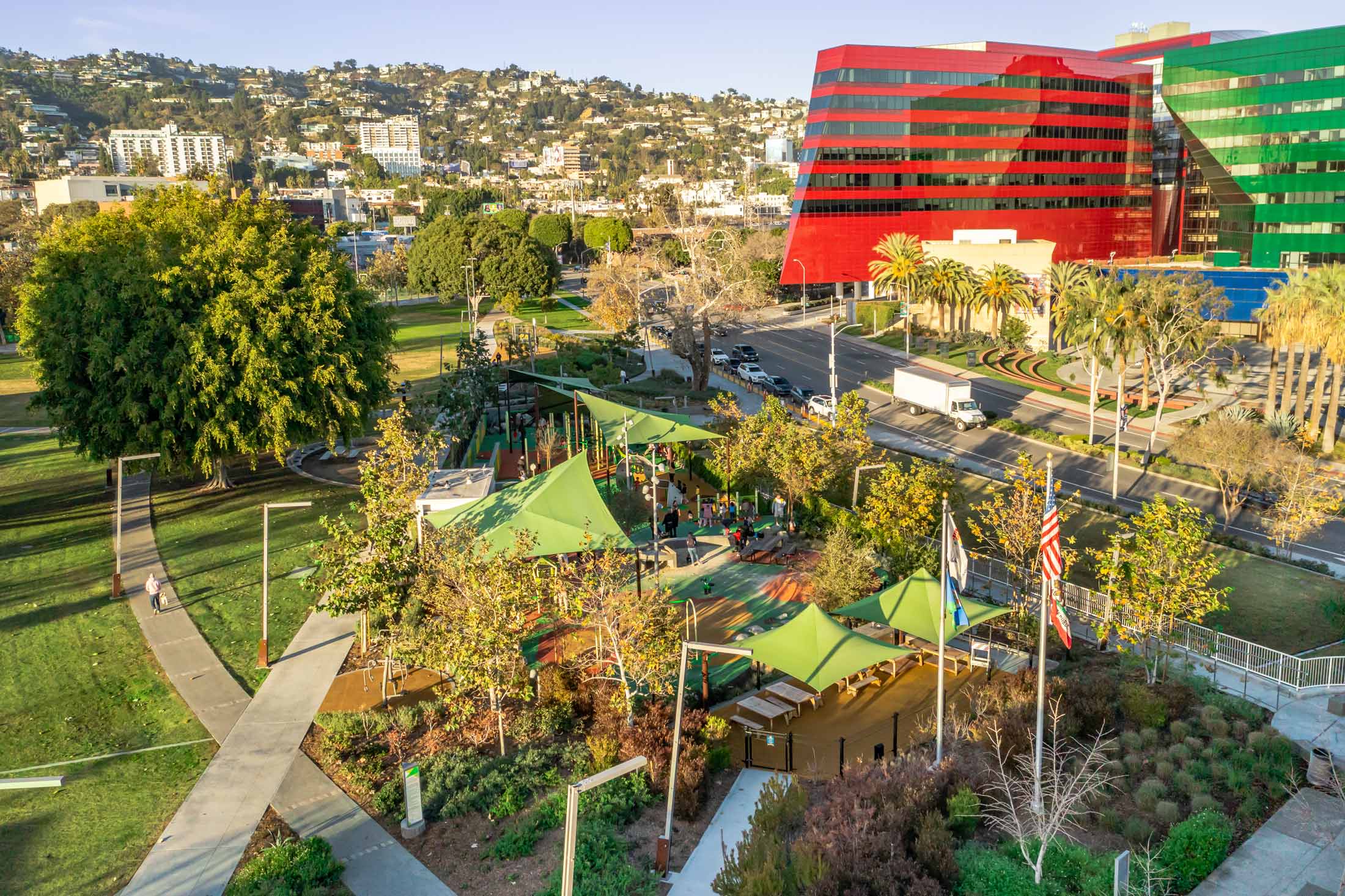
The RIOS-designed West Hollywood Park is activated with unapologetic celebration every Pride.
Designing Inclusive Spaces
In recent years, a wave of homophobic and transphobic legislation has been passed across the United States. Designing inclusive, safe, and accountable spaces is more essential than ever. The decisions architects, landscape architects, and interior designers make a direct influence on improving people’s lives.. Thoughtful design can help a transgender person navigate a restroom safely and with dignity. High-contrast furnishings can make a space easier for someone with vision-impairment to use. Brightly colored benches in a public park can encourage everyone to embrace unapologetic joy.
“For me, one of the most important things you can do as a queer designer is to keep showing up and push for what you believe is right on a project. Design is personal, and the most meaningful way to create spaces where people feel safe, seen, and welcome is to help shape the places you want to see in the world. Being gay has formed the way I look at design because it has made me more aware of the small signals that tell people whether a space was made with them in mind.”
—John Pearson, RIOS Associate Principal
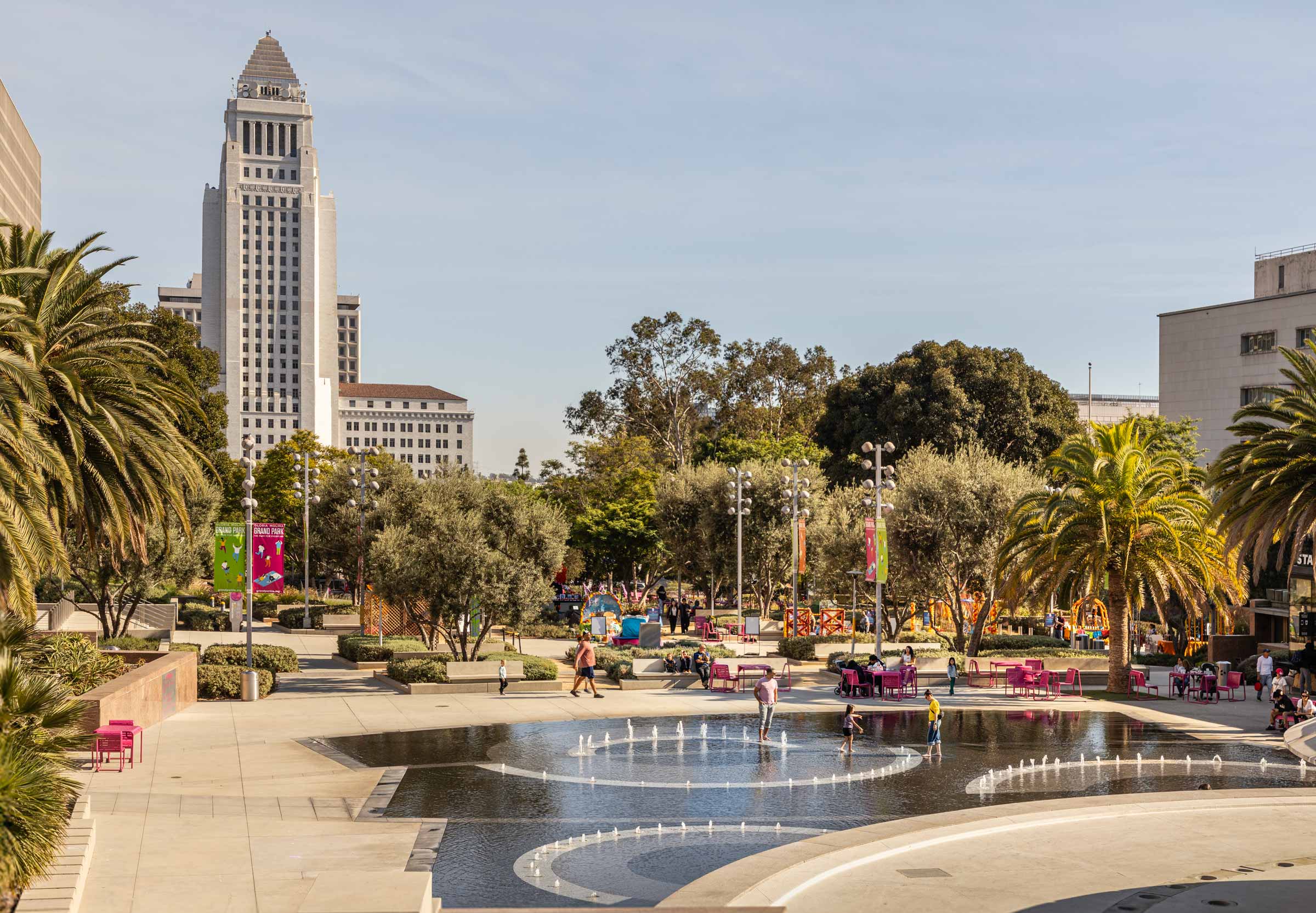
RIOS designed Gloria Molina Grand Park to be "The Park for Everyone"
Pride in the Public Realm
Mark Rios recalls convincing the LA County Board of Commissioners to approve the hot pink civic furniture in Gloria Molina Grand Park, known as the park for everyone. “There was absolutely a sense of pride, joy and celebration behind it. It was about refusing to be put down, refusing to be drab, embracing plurality and loving hot pink. I think our optimism, sense of freedom, and the boldness of our work are connected to our roots as a gay-founded practice. You don’t have to blend in. You don’t need to be beige. I always loved the name notNeutral (product design brand founded by RIOS) for a company because, if anything, gay people are not neutral. For me, being gay means you take a position by living your life, and you are not neutral.”
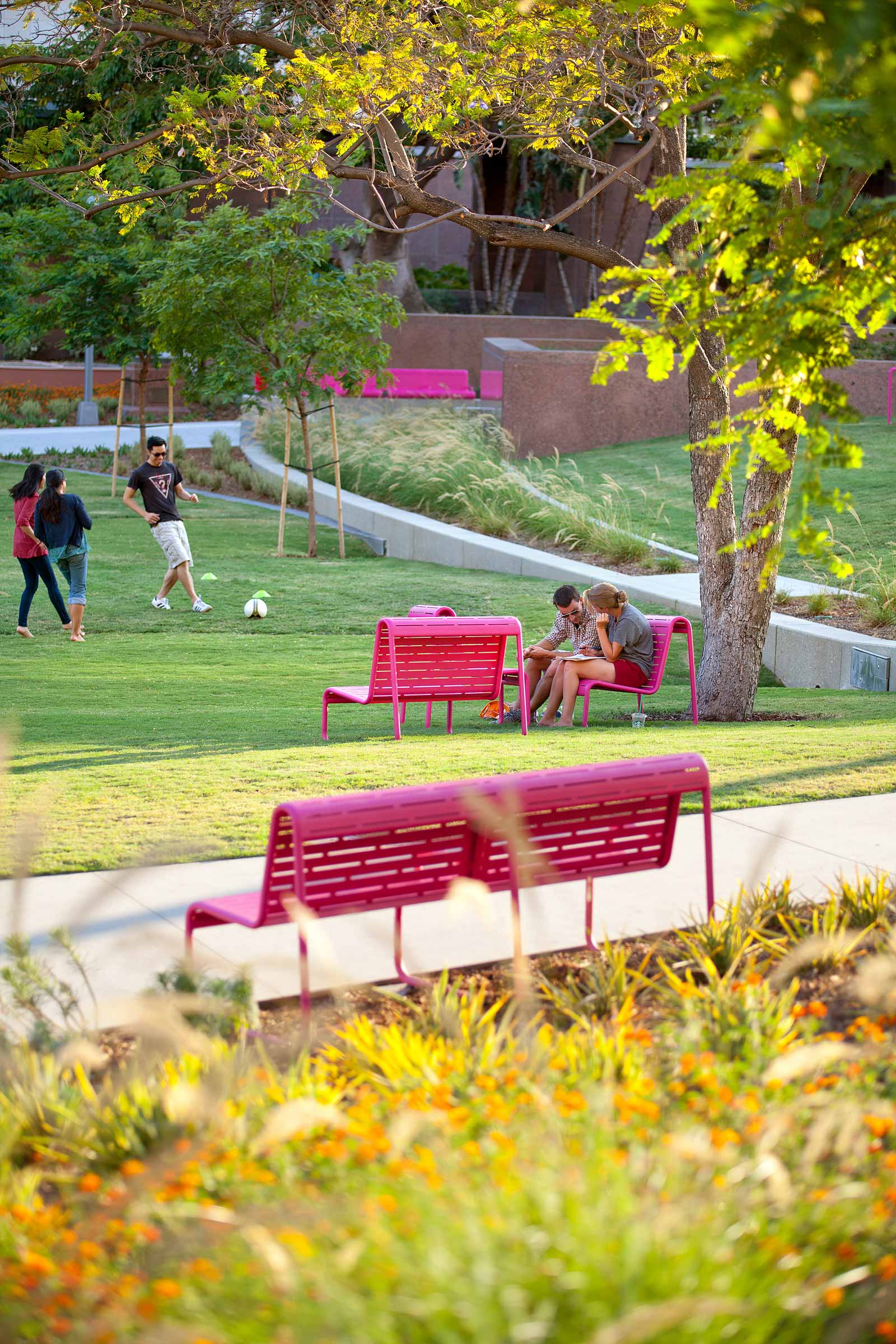
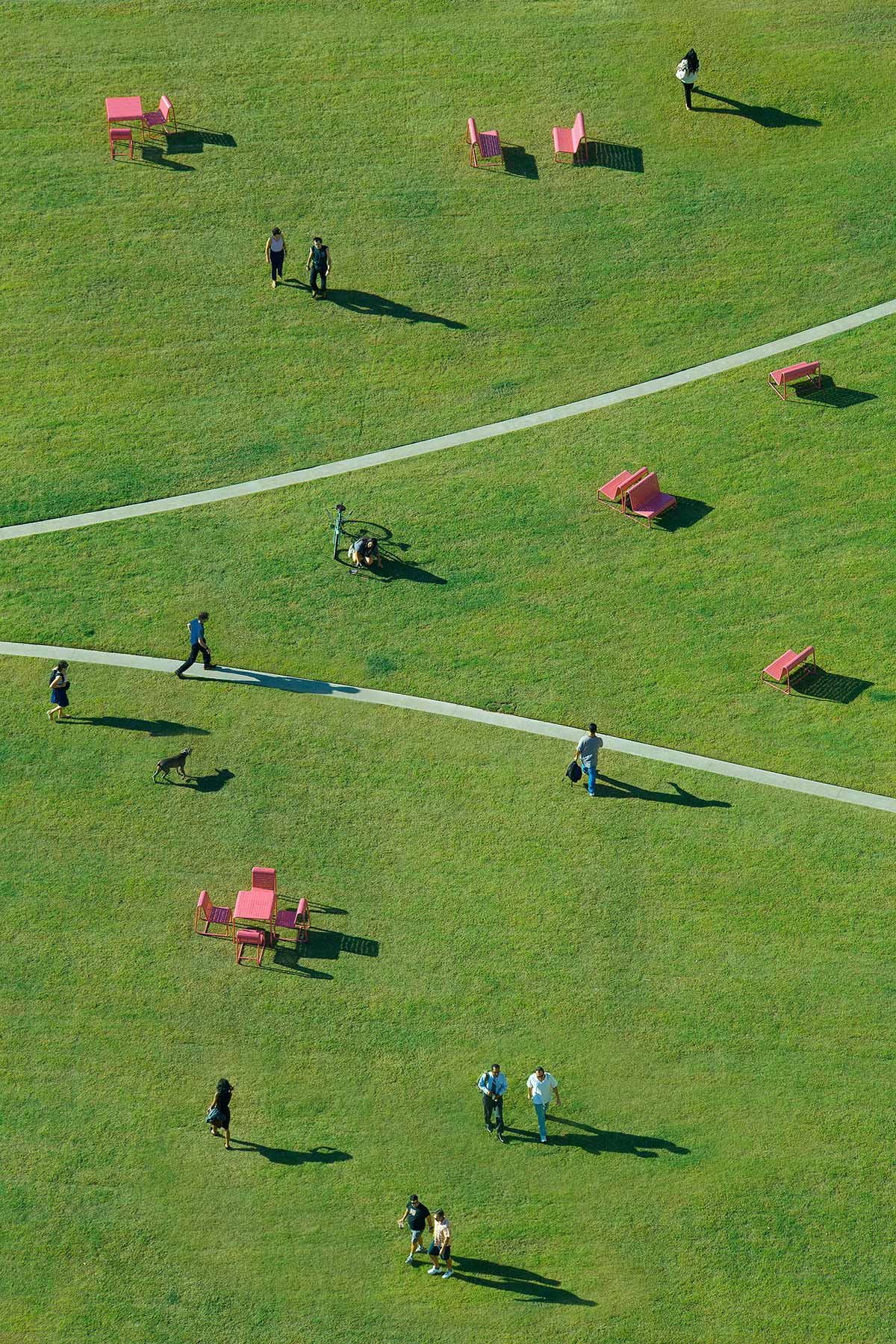
RIOS-designed hot pink civic furniture at Gloria Molina Grand Park
The Legacy of Queer Creativity
LGBTQ+ artists, designers, and creatives have long challenged conventions and expanded what design can be. Their work has created space for future generations to imagine new possibilities. Preserving that history is about carrying forward the creativity, resilience, and courage that continue to influence the profession today. Mark Rios reflects on the importance of learning from those who came before us. “I think LGBTQ+ people have always been at the forefront of design because they were not afraid to challenge conventions. As we learn more about our own identity, we can look at the forebearers before us who broke rules, expanded possibilities, and earned respect through their work. There’s so much knowledge, resilience, and inspiration in that history, and I think there’s value in keeping those stories alive.”
For John Pearson, that legacy continues to shape how queer designers approach their work today. “I think queer people often carry a set of tools that come from living outside conventional expectations: a strong sense of style and taste, a willingness to question inherited norms, and the freedom to imagine success in ways that others might overlook.”
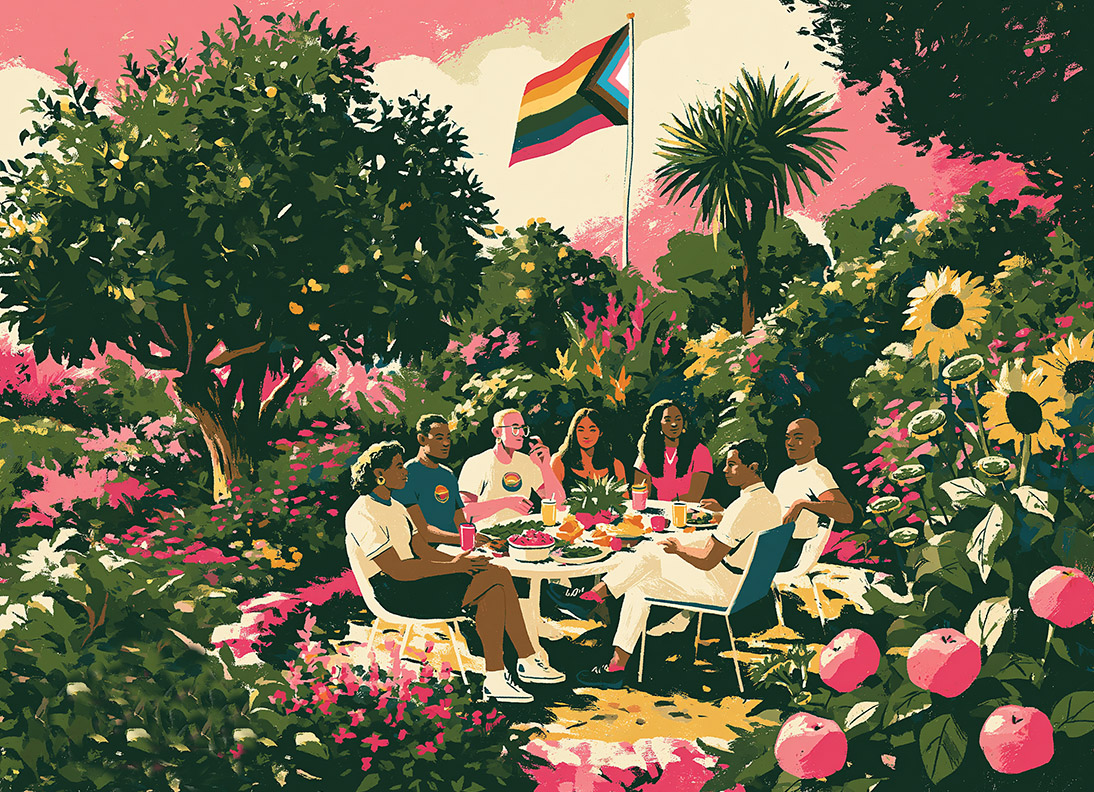
How Queer Identities Shape Design
The experience of questioning norms and navigating the world from a different perspective often fosters empathy and a willingness to challenge assumptions.
For Mark Rios, embracing his identity strengthened his confidence as a designer. “The struggle of coming to terms with your sexual identity is an emotional journey, and I think that going through that has made me a stronger, better person. Being a gay man helped give me confidence, and quiet confidence is the most valuable tool ever because it makes people trust you. People get on board with your ideas when you have this kind of confidence.”
The experiences that shape identity also influence how we design. RIOS Senior Associate Ryan Carrington reflects on how his experiences as both Black and queer inform his work. “I like to think that the experiences that I have lived through and currently go through being both black and queer have put myself in a place where I really try to shake off the shackles of heteronormativity and misogyny in all aspects of my life. This bleeds into my design work and aesthetic where I don’t see things as needing to be masculine or feminine. I think it helps me have more inherent empathy and appreciation for my team members, trying to understand their perspectives and design interests.”
For RIOS Designer II Lindsey Lent, her identity encourages her to continually question assumptions about how spaces are designed and who they are designed for. “My identity as a queer woman allows me to question my lived environment. When developing a project’s design, so much of the conversation is centered on analyzing the user’s daily movements and habits and attuning the built environment to these patterns: where are people expected to gather, where are they expected to look, what behaviors are expected in this bathroom, living space, and corridor? A queer perspective involves questioning these expectations and encouraging atypical behaviors outside the boundary of the norm.”
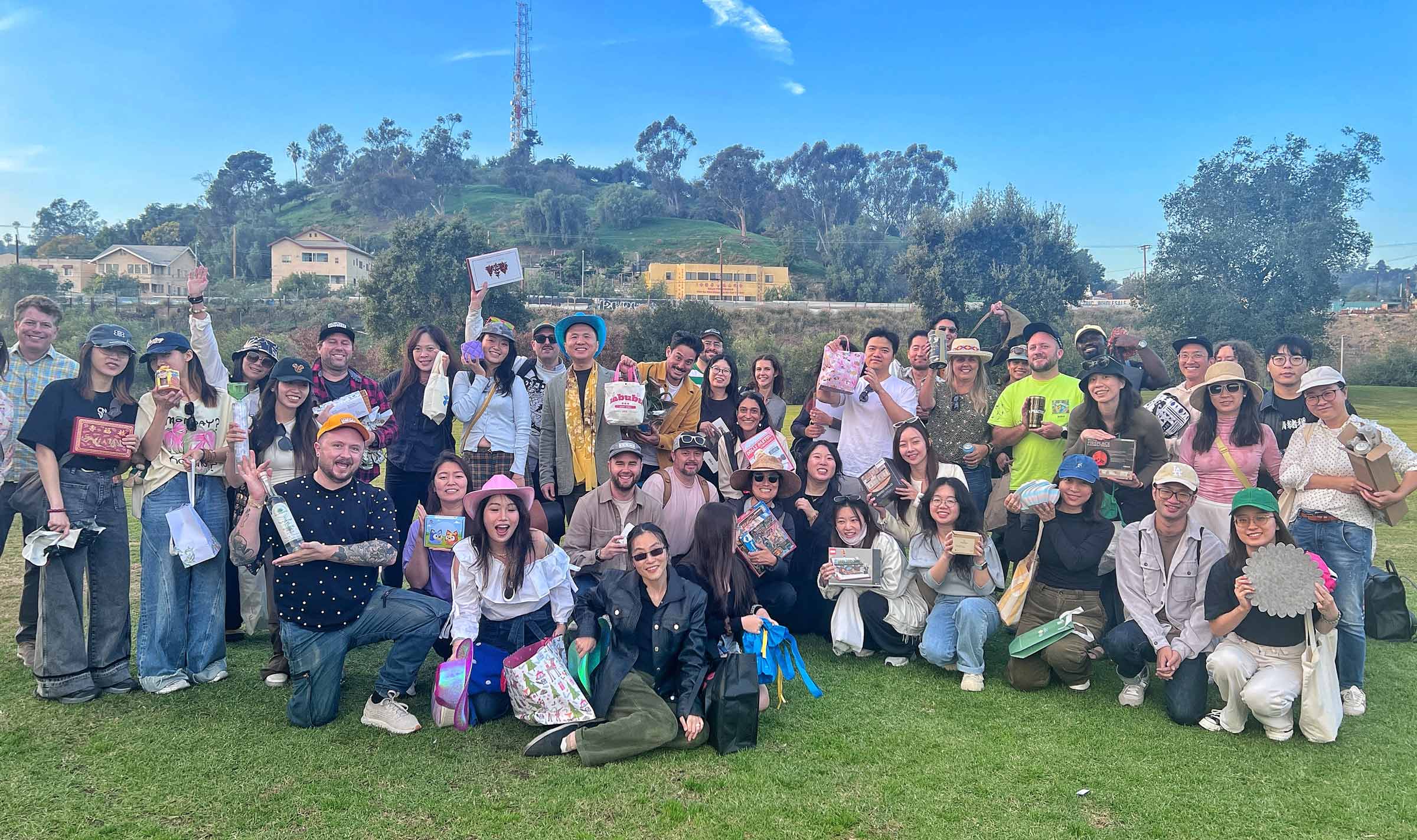
Pride in Practice
When we openly share and celebrate our different cultures and experiences, we challenge conventional ways of thinking. We can push our work in a genuinely transformative direction better attuned to serve its users.
That is why Pride matters. Living openly and authentically encourages others to do the same. At a time when LGBTQ+ communities continue to face discrimination and political attacks, Pride reminds us that diverse perspectives make our work stronger, helping us create more inclusive ways of living.
“Design is a powerful way to contribute to a more equitable society by creating spaces that welcome everyone. To do that, we have to continually challenge our assumptions, the status quo, and question what inclusion looks and feels like for communities that have been marginalized. Bringing our lived experiences into the design process with empathy, curiosity, and generosity helps us create inclusive places. To be human is to challenge ourselves and help build a better future.”
—Mark Motonaga, RIOS Managing Partner